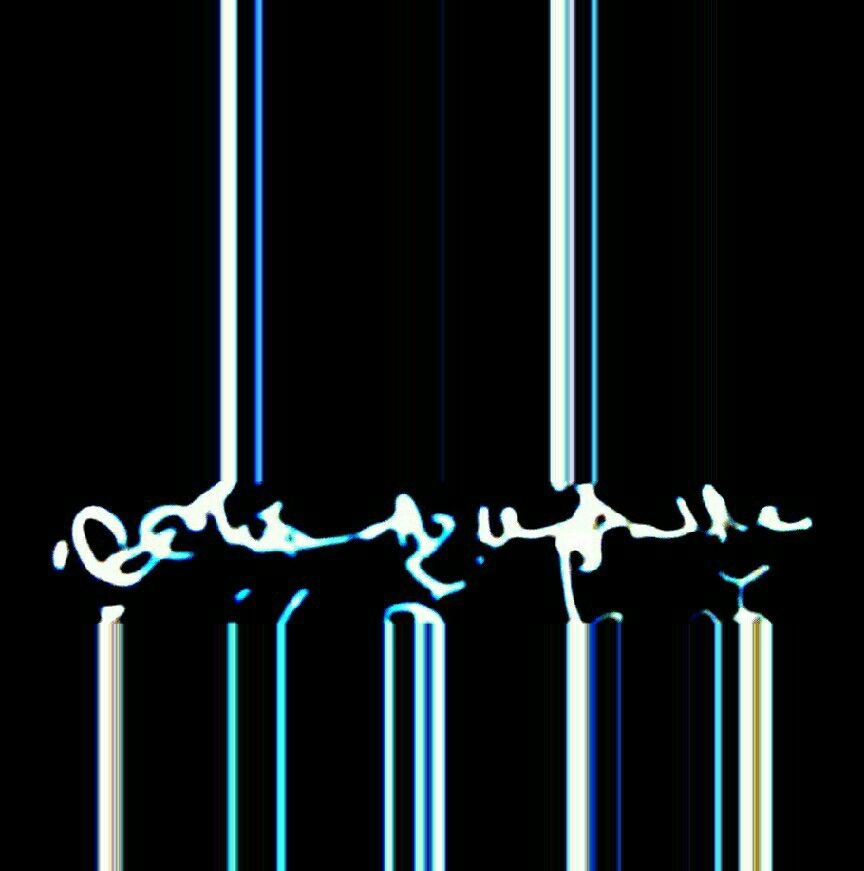
letmein / alice edy. 2017

https://www.instagram.com/p/BZvRmm8Afap/

“letmein” [Password Project]: a collection from the top 1000 most common online passwords (from FB, to LinkdIn, to Gmail). These are the words that keep us safe; the language we use to let people in, or keep them out. Painted on the side of the Nelson Mandela Bridge into the Johannesburg CBD, Sept 2017.

§

from https://www.playbraamfontein.co.za/playground/alice-edy/ :

The Password Project was painted below the Nelson Mandela Bridge, on the wall opposite Play’s 62 Juta street in 2017, and  is a collection taken from the top 1000 most common online passwords (from Facebook, to LinkdIn, to Gmail –   ‘letmein’ is the 11th most common online password).

Alice says, “‘Let-me-in’ are the words that keep us safe; the language that we use to protect ourselves, and to keep other people at a distance. The bridge, as a primary artery into central Johannesburg is a site of continual human flow. The project raises questions of access control, asking people to consider how historically, and still today, language has been used as a tool in the regulation of human movement. There is also something semi-mystic about the words that hold this kind of power; a contemporary incarnation of the “Open Sesame” myth.

_

13 settembre: presentazione dei volumi di corrado costa a reggio emilia

Lunedì 13 settembre, alle ore 19:00,
a Reggio Emilia, presso i Chiostri di San Pietro
(via Emilia S. Pietro 44 C)

Presentazione dei volumi di POESIE di Corrado Costa
curati da Chiara Portesine per Argolibri

intervengono
Chiara Portesine e Paul Vangelisti

modera
Roberta Bisogno

_

83 abbracci per carlo: buon compleanno

foto © Dino Ignani – tutti i diritti riservati

“il verri” n. 76, giugno 2021:
slowforward.files.wordpress.com/2021/07/il-verri-76_-carlo-bordini-il-rivoluzionario-timido.png

*

Carlo legge anzi telefona il suo Poema inutile:
(da questo post)

*

Carlo su slowforward:
slowforward.net/tag/carlo-bordini/

*

in libreria:

I costruttori di vulcani (Sossella)
Memorie di un rivoluzionario timido (Sossella)
Poesie color mogano (TIC Edizioni)
Gestures / I gesti (Zona)
Assenza (Carteggi letterari)
Pezzi di ricambio (Empiria)

_
_

aswrig = asemic writing gallery 

ASWRIG = asemic writing gallery

 (est. 2017)

The best asemic writing from FB & the web. Daily updates.

FOLLOW it @ https://www.facebook.com/aswrig

esce il n. 325 de “l’immaginazione” (manni)

Sul numero 325 de “l’immaginazione” (Manni Editori), ora in distribuzione, è possibile leggere una recensione ampia di Stefano Ghidinelli a Prosa in prosa (Tic Edizioni, 2020) e – nella rubrica ‘gammmatica’ – alcune mie prose brevi.

Qui l’indice dell’intero fascicolo (che può essere acquistato dall’editore sia in formato cartaceo che digitale):

In copertina
Adriano Spatola, Z-SEGNOPOESIA

Poesia
Alberto Bertoni, Poesie
Lorenzo Morandotti, L’amore terrestre
Giovanni Angelini, Poesie

Noterelle di lettura di Anna Grazia D’Oria
“il verri”, Anna Malerba, Angelo Andreotti, Marco Furia, Pino Mongiello

Prosa
Bruno Gambarotta, La città degli uomini spaiati
Marco Ferri, Le cose non sono più come prima
Chiara Pazzaglia, Quasi sorelle
Alberto Valentini, La donna trasparente

Le altre letterature
Dmitrij Legeza, Poesie. Traduzione e nota di Paolo Galvagni

Per ricordare
Bianca Battilocchi, Adriano Spatola. “Il gioco è l’unica speranza della poesia”

Per un libro
Su Prosa in prosa (Stefano Ghidinelli)
Su Renato Minore, O caro pensiero (Simone Gambacorta, Giulia Vantaggiato)

Fra inediti e rari
Ada Negri, Parole a mia figlia

Il dinosauro di Piero Dorfles

Pollice recto/pollice verso di Renato Barilli
Caminito, degna di un terzo posto allo Strega
Falqui, una boccata d’aria fresca

Gammmatica
Marco Giovenale, Causa-effetto

Continua a leggere

glitch and outstitution

Differx has not disappeared. On the contrary, it wants to go on trying to study and use the margins and the ever-expanding core of the glitch(ed) art, literature, language, sound; and make the pathologies of the Western logos grow. This is the reason why it launches the trans-cultural word “OUTSTITUTION”: to focus on what this will (maybe) mean.

Let’s wiki: the word “institution” comes from Middle English “institucioun”, from Old French “institution”, from Latin “institūtiō”, from “instituō” (“to set up”), from “in-” (“in, on”) + “statuō” (“to set up, establish”). So my intent —and the aim of differx as a site— is clear:

OUT OF THE INSTITUTION.

Any kind of cultural, literary, artistic initiative is constantly under the control of the authorities through bureaucracy. Any meeting, independent structure, event, must necessarily interact with the corruption and the surrounding wall of the “city”. Perhaps the word corruption is not right. In cities like Rome the dark side of the Middle Ages has never been affected by anything. It never ended. The families who actually own the territory also rule the game. It seems a bad & kitsch distopian conspiracy remark but the sad truth is that —at least in Rome— the nobles and the high clergy are still the backbone of power today, with la haute et la grossière bourgeoisie.

So a policy of temporary autonomous zones is still the only way to play outside the chessboard. (Which hosts only kings and queens).

Ideas for and in and outside Rome are welcome.

GLITCH AND OUTSTITUTION


Differx has not disappeared. On the contrary, it wants to go on trying to study and use the margins and the ever-expanding core of the glitch(ed) art, literature, language, sound; and make the pathologies of the Western logos grow. This is the reason why it launches the trans-cultural word “OUTSTITUTION”: to focus on what this will (maybe) mean.

Let’s wiki: the word “institution” comes from Middle English “institucioun”, from Old French “institution”, from Latin “institūtiō”, from “instituō” (“to set up”), from “in-” (“in, on”) + “statuō” (“to set up, establish”). So my intent —and the aim of differx as a site— is clear:

OUT OF THE INSTITUTION.

Any kind of cultural, literary, artistic initiative is constantly under the control of the authorities through bureaucracy. Any meeting, independent structure, event, must necessarily interact with the corruption and the surrounding wall of the “city”. Perhaps the word corruption is not right. In cities like Rome the dark side of the Middle Ages has never been affected by anything. It never ended. The families who actually own the territory also rule the game. It seems a bad & kitsch distopian conspiracy remark but the sad truth is that —at least in Rome— the nobles and the high clergy are still the backbone of power today, with la haute et la grossière bourgeoisie.

So a policy of temporary autonomous zones is still the only way to play outside the chessboard. (Which hosts only kings and queens).

Ideas for and in and outside Rome are welcome.

_