
tutti gli interventi:
https://slowforward.net/2022/02/18/crepita-la-carta-_-audio-della-serata-per-emilio-villa-macerata-biblioteca-mozzi-borgetti-9-ott-2021/

.
Un numero alto di volte, i libri sulla poesia contemporanea anzi attuale suonano così:
Ieri ma oggi Sereni Sereni Fortini, Montale Penna Penna, Pasolini, Montale, Sereni Pasolini, ma Montale ma Sereni, pausa, Togliatti, De Gasperi, Bordiga, Salandra, Federico II, Mazzini, fine pausa, tuttavia va pure detto che Fortini Zanzotto Einaudi, Montale Sereni Pasolini Sereni Pasolini Sereni Sereni Sereni, colpo di scena, Ungaretti, Vitruvio, Tertulliano Poliziano, San Francesco, pausa, Sereni, fine pausa, Giudici, Penna Bertolucci Penna, Raboni, però Sereni e Sereni, Fortini Raboni Merini, Pasolini, ah Pasolini, pausa, fine pausa, quanto è vero, Montale Giudici Fortini, Sereni Pasolini, Caproni, Foscolo Merini, Bertolucci Zanzotto però Sereni, però Montale, Luzi Pascoli Luzi Rebora, Pascoli Pasolini, nel frattempo il romanzo, in Italia, tuttavia Sereni, tuttavia Pasolini, poi Penna Bellezza, Sereni Montale Pasolini.
Quando il libro viene recensito su un quotidiano, la foto d’obbligo ritrae o una stilografica o Pasolini che pensa molto intensamente (“con il corpo e con la mente”, cantava Julio Iglesias).
https://youtu.be/r8LFzj4Hglg
ASEMIC MOVIE RK3JJQ10AXHY
by Giuseppe Calandriello
voice Marco Giovenale
*
@ instagram:
https://www.instagram.com/tv/CX3KgQtBy3B/?utm_source=ig_web_copy_link


Issue sixty-three, the southern spring issue of Otoliths, is now live.
issue dedicated to the memory
of Douglas Barbour & David Baptiste Chirot,
regular contributors to Otoliths over the years

As always, there’s a wide range of material from a wide range of contributors — Harvey Huddleston, Rémi Forte, Kenneth M Cale, Sanjeev Sethi, Andrew K. Peterson, Michael Orr, Thomas Fink, Texas Fontanella, Scott MacLeod, tENTATIVELY, a cONVENIENCE, Eric Hoffman, Demosthenes Agrafiotis, Keith Walker, Jazmine Blu, Jim Leftwich, Mark DeCarteret, Ira Joel Haber, Rp Verlaine, Christian ALLE, hiromi suzuki, Jack Galmitz, Timothy Pilgrim, Gloria Frym, Juan Pablo Mobili, Susan diRende, John Bradley, Volodymyr Bilyk, Bill Wolak, Grzegorz Wróblewski, Marco Giovenale, Ernesto Priego, Rus Khomutoff, Michael Gould, Heath Brougher, Doug Bolling, David Miller, Dale Jensen, Andrew Topel, Judith Skillman, Joanna Walkden Harris, David Lohrey, John M. Bennett, Joseph V. Milford, Vernon Frazer, Kenneth Rexroth, Lynn Strongin, C. Mehrl Bennett, Christopher Barnes, Jim Meirose, John Martone, Cecelia Chapman, Carol Stetser, Dave Reid, Réka Nyitrai, Richard Kostelanetz, Piet Nieuwland, Paul Dickey, Rachel Chitofu, Jimmy Crouse, Clay Thistleton, Elaine Woo, Clara B. Jones, Angela Caporaso, Penelope Weiss, Joel Chace, dan raphael, Tony Beyer, Jon Kemsley, Austin Miles, Luis Cuauhtémoc Berriozábal, Paul Shumaker, Robinson, Adam Roussopoulos, gobscure, Joe Balaz, Joshua Martin, Elmedin Kadric, Rich Murphy, Jeff Harrison, Scott Metz, Karl Kempton, Hugh Tribbey, Mark Pirie, Scott Helmes, Sheila E. Murphy, Johannes S. H. Bjerg, Clive Gresswell, Jeff Bagato, Jen Schneider, Oormila Vijayakrishnan Prahlad, John Levy, Adriána Kóbor, nick nelson, bofa xesjum, Bob Lucky, Eric Mohrman, Owen Bullock, Raha.M, Jeff Adams, Ian Gibbins, Mike Ferguson, Rosella Quintini, Stephen Mead, Joanne Bechtel, Matthew Anderson, Marilyn Stablein, Peter Yovu, Julia Vaughan, Bob Heman, József Bíró, Linda M. Walker, Kell Nelson, Paul Pfleuger, Jr., Isabel Gómez de Diego, Daniel de Culla, Michael Brandonisio, Kit Kennedy, Kerfe Roig, Andrea Astolfi, Harry Reid, J. D. Nelson, Marcia Arrieta, Jess Burnquist, Guy R. Beining, Mark DuCharme, Cherie Hunter Day, Carol Shillibeer, Carla Bertola, & sian vate.
Here: https://the-otolith.blogspot.com/2021/10/contents-issue-sixty-three.html
_
Thanks to Bill Allegrezza, who published my text here:

https://mosstrill.wordpress.com/2021/10/26/marco-giovenale-3/

This image actually means good news.
Usually the adjective “asemic” (=signless) was linked by some dictionaries to “asemia” as a pathologic failure consisting in an inability to comprehend or express words, gestures or sounds. It was not related to the idea of ‘asemic writing’.
So, …after twenty years of asemic writing movement, this ‘Cambridge turn of events’ looks like a great achievement.
*
When the first (self-aware) asemic writing mags, sites, books and series started their journey, more than 20 years ago, the actual meaning of “a-semia” ( = a radical “absence of sign”, not an absence of semantic meaning) risked to put aside the very idea which grounded the practice of asemic writing.
On the contrary, now it seems that the use of the word “asemic” is better perceived as referred to an artistic practice, not a pathology. (according to Cambridge, at least).
adesso è più chiaro quello che intendo per kitsch (e kitsch incosciente) anche in poesia? o flarf irriflesso.
(il flarf propriamente detto è invece ‘intenzionalmente’ kitsch, ‘vuole’ far raggricciare di orrore).
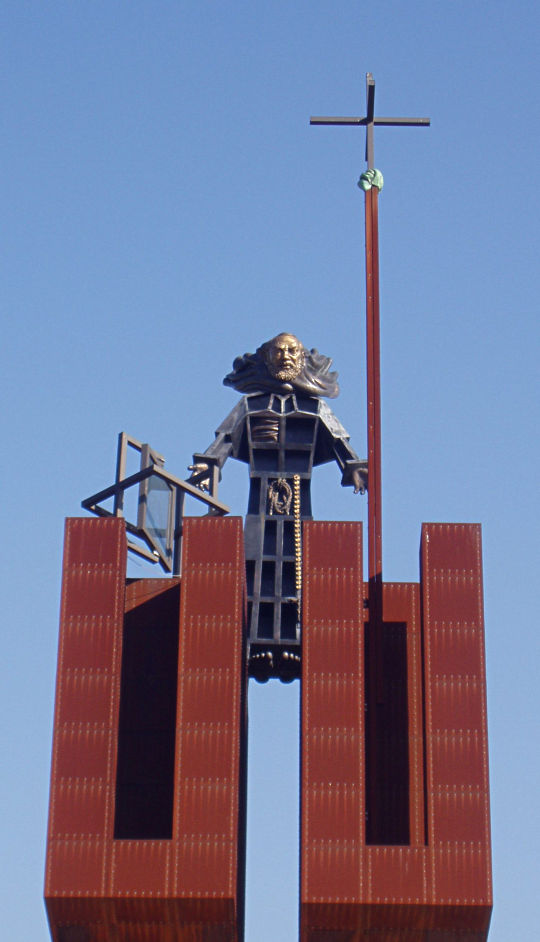
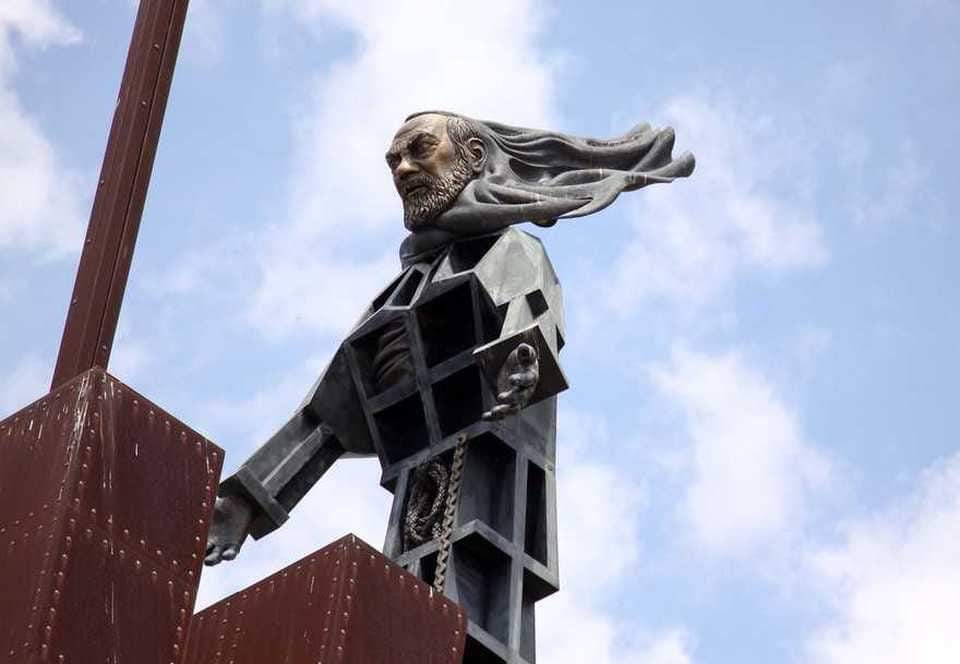
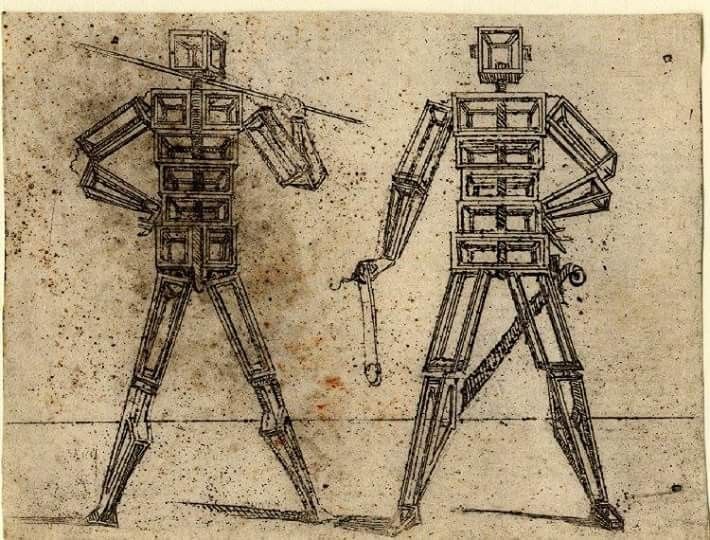
sono sicuro che lo scultore di Padre Pio può motivare con ragioni ritmiche (e rimiche) millimetriche la sua opera. dirci il perché dell’inclinazione, della pesantezza della struttura, del volto ardito del frate, della rampa di lancio o sbilanciamento, del cappuccio che svolazza con effetto “fiamme di Ghost Rider”, del corpo bucato, a cassetti, e incastrato anzi ‘incriccato’ dell’eroe della fede. sono sicurissimo. immagino riferimenti a Dalì, Savinio, cubismo, bizzarrie seicentesche, Giovanni Battista Bracelli, la Marvel.
l’opera è iper-motivata: da elementi di ‘necessità’ formale. ne possiamo essere certi. in ogni sua parte e nel complesso morfologico/semantico si ‘spiega’. ha struttura.
ma?
ma è irrimediabilmente inconsapevolmente orrenda, pacchiana.
imbarazza, fa ridere, stop.







***
nelle foto:
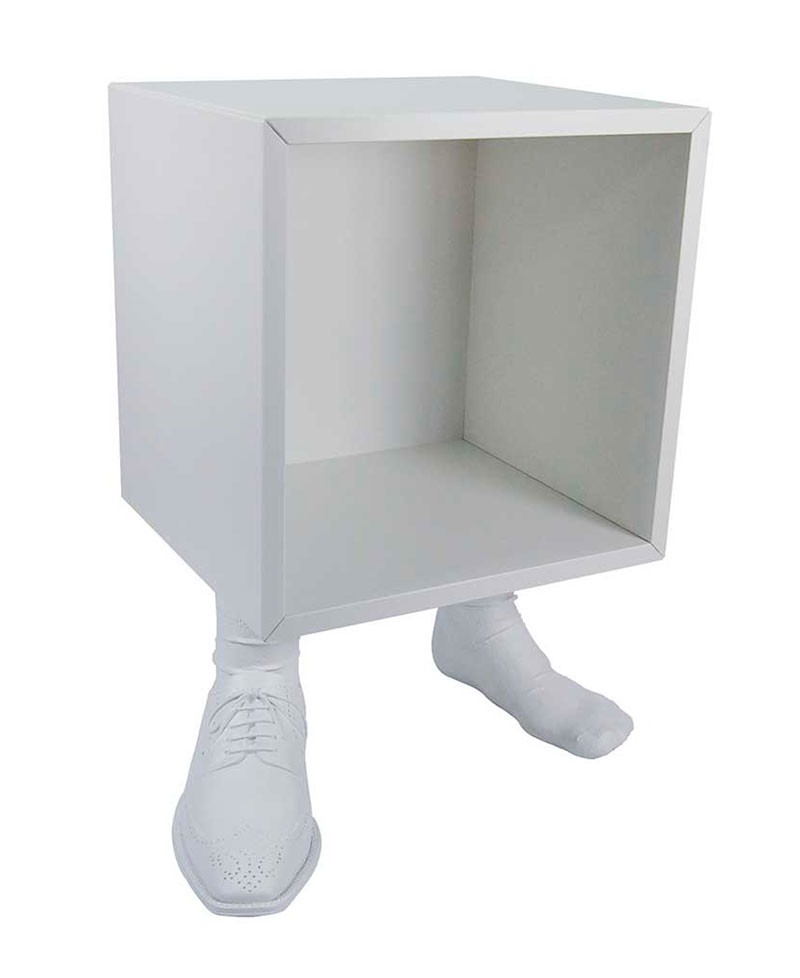
il monumento a Padre Pio (Benevento), un’opera di Bracelli, i prevedibili robottoni (Daitarn 3 in testa), e il pregevole/ironico tavolino cubo di Antartidee.
Intervista a cura di Tommaso Giartosio
il podcast dell’intera puntata di Fahrenheit è ascoltabile e scaricabile qui:
https://www.raiplayradio.it/audio/2021/09/FAHRENHEIT-01b62b16-ae92-453a-a49b-ccd8d6ab22c9.html
(l’intervista inizia a 35′ 45”)
§
Chi fosse invece interessato alla sola intervista a Fiori e Giovenale può ascoltarla qui:
(Giovenale parla del libro La gente non sa cosa si perde :  https://ticedizioni.com/products/la-gente-non-sa-cosa-si-perde-giovenale)
_
googlism, scrittura concettuale e glitch writing, le tre piaghe dell’apocalisse testuale, devastano il mainstream poetico italiano
